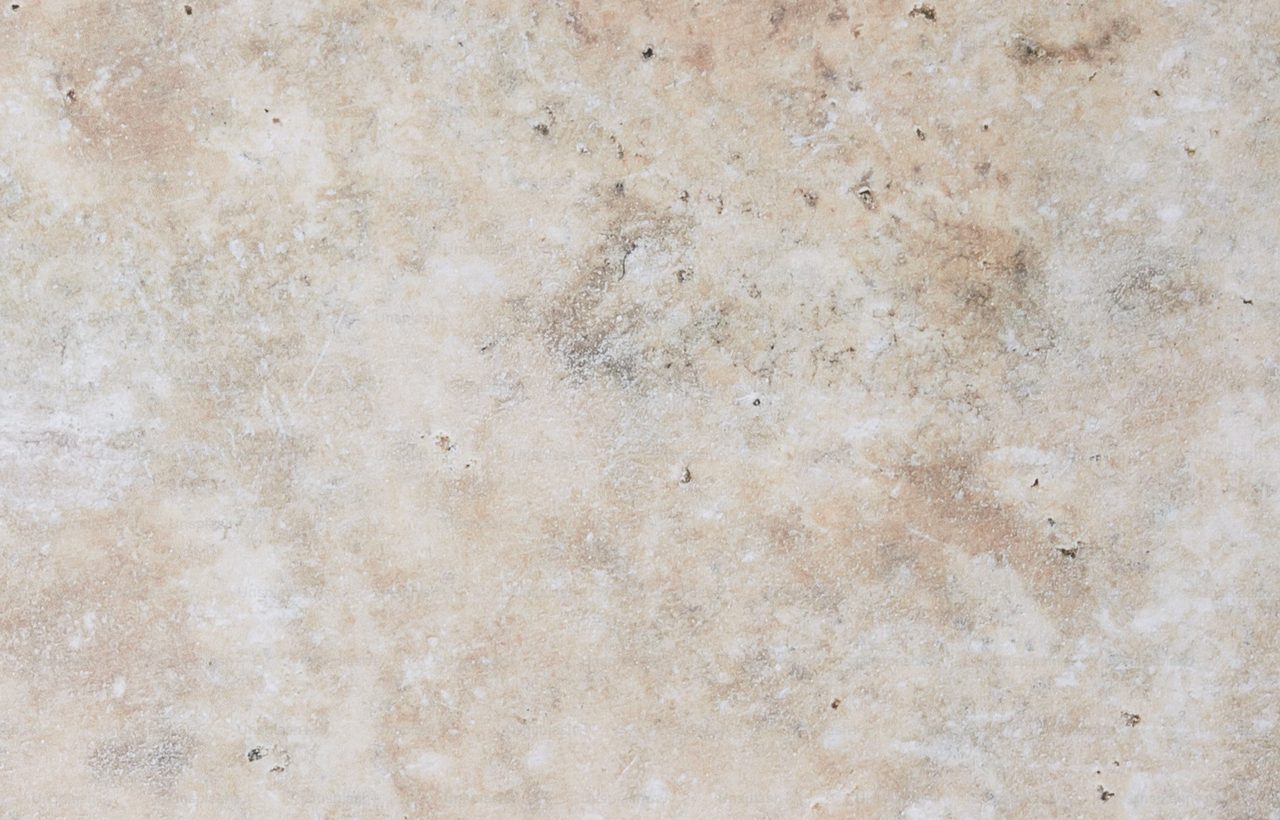
Travertine and marble are both natural calcium-based stones, but they are not the same. Compare their formation, appearance, porosity, finishes, care and best uses before choosing stone furniture.
No—travertine is not marble. Both are natural stones largely composed of calcium carbonate, and both have been used in architecture for centuries, but they form in different environments. That difference shapes how each stone looks, feels and performs in furniture and interiors.
The confusion is understandable. Travertine is sometimes sold casually as “travertine marble”, while cream-coloured marbles can resemble filled and honed travertine from a distance. Looking beyond colour reveals two distinct materials. This guide explains the practical differences so you can choose confidently for a table, console, sink or bathroom project.
What is travertine?
Travertine is a form of limestone created when mineral-rich water deposits calcium carbonate around springs and other freshwater environments. Gas bubbles and organic matter leave small voids as the stone develops. These pores are one of travertine’s defining characteristics.
When a block is cut along its natural layers, called vein-cutting, it reveals long horizontal bands. Cross-cutting produces softer, cloud-like movement. Travertine commonly appears in ivory, sand, biscuit, walnut and silver-grey tones. Explore the warmer banding of Light Travertine or the cooler variation of Silver Travertine.
What is marble?
Marble begins as limestone, but heat and pressure within the earth recrystallise it into a metamorphic stone. This transformation creates a denser crystalline structure. Other minerals introduce the expressive colours and veins associated with varieties such as Calacatta Viola, Nero Marquina and Rosso Levanto.
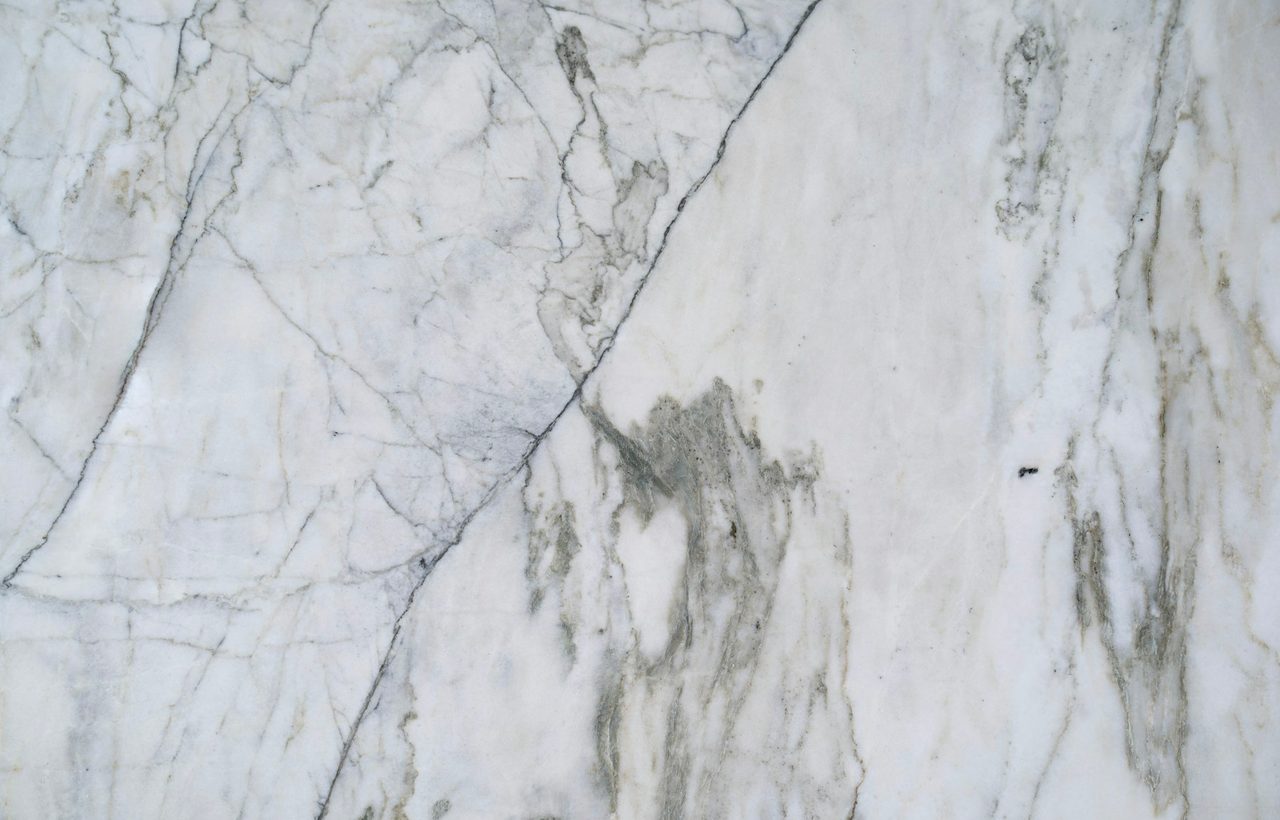
Marble’s visual language can range from quiet and tonal to highly dramatic. It is usually selected when pronounced veining, depth of colour or a more formal architectural presence is central to the design.
Travertine vs marble at a glance
| Characteristic | Travertine | Marble |
|---|---|---|
| Stone family | Sedimentary limestone | Metamorphic stone |
| Typical pattern | Linear bands or soft clouds | Mineral veins and crystalline movement |
| Natural surface | Porous, often filled | Generally smoother and denser |
| Visual mood | Warm, calm and tactile | Refined, graphic or dramatic |
| Common finish | Filled and honed | Honed or polished |
| Acid sensitivity | Yes | Yes |
1. Appearance and texture
Travertine is recognised by tonal bands, fine cavities and a soft mineral texture. Even when its pores are filled, slight variations remain visible and give the surface an organic quality. Its neutral palette works naturally with timber, linen, plaster and brushed metal.
Marble is defined more by veining and contrast. A single slab may contain sweeping burgundy movement, precise white lines or subtle tonal wisps. Because every block differs, the final piece should be considered as a composition rather than a uniform manufactured surface.
Choose travertine for quiet warmth and architectural texture; choose marble when expressive veining should become a focal point.
2. Porosity and surface filling
Travertine is naturally more open. For furniture, its cavities are commonly filled with a colour-matched resin or cement before the surface is honed. Filling creates a practical tabletop while preserving the stone’s characteristic pattern. Small pinholes can remain or develop over time; this is part of the material rather than evidence that the stone is artificial.
Marble is usually less visibly porous, although absorption varies between varieties. It normally does not require cavity filling, but fissures may be reinforced during fabrication. Both stones benefit from professional sealing, especially when used for dining tables, sinks and bathroom furniture.
3. Durability: is one stronger?
Neither material is universally “better”. Performance depends on the selected block, thickness, construction, finish and intended use. Marble is often denser, while properly selected and fabricated travertine has a long architectural history and performs well in furniture.
Both are calcium-based and therefore react to acidic liquids such as lemon juice, vinegar and wine. Acid can cause etching—a dull mark created by a chemical reaction rather than a conventional stain. Spills should be blotted promptly, and hot cookware should be placed on a trivet. Our natural stone furniture care guide covers everyday cleaning and protection in more detail.
4. Honed or polished finish?
A honed finish has a smooth matte or low-sheen appearance. It tends to suit travertine’s relaxed character and can make minor etching less visually prominent. A polished finish reflects more light and intensifies colour and veining, which is why it is often chosen for dramatic marble.
Finish is not only aesthetic. It changes how marks, fingerprints and daily wear are perceived. Compare both options in our polished vs honed stone guide before deciding.
5. Which stone is best for furniture?
Dining tables
Travertine gives a dining area warmth and visual calm, especially in larger rooms with natural fabrics and timber. Marble creates a stronger centrepiece and can introduce colour through its veining. For either stone, prioritise stable construction, sealed surfaces and proportions suited to the room. See our natural stone dining tables for made-to-order examples.
Coffee and side tables
Both stones work beautifully at a smaller scale. Travertine complements sculptural, monolithic forms, while strongly veined marble turns a compact table into a graphic accent. Browse coffee tables and side tables to compare the effect.
Sinks and bathrooms
Travertine can create a warm, spa-like atmosphere; marble offers greater visual drama. In wet areas, fabrication details, drainage, sealing and the suitability of cleaning products matter as much as the stone itself. Never use acidic bathroom cleaners on either material.
How to choose between travertine and marble
Start with the atmosphere you want, then test that preference against daily use:
- Choose travertine if you prefer warm neutrals, subtle banding, tactile character and a quieter architectural presence.
- Choose marble if you want pronounced veining, richer colour contrast or a formal statement piece.
- Choose a honed finish when you prefer a softer appearance and less reflective surface.
- Choose a polished finish when depth of colour and reflected light are central to the design.
- Request samples and discuss the intended setting, because natural variation is meaningful in both stones.
The short answer
Travertine is a sedimentary limestone; marble is a metamorphic stone created when limestone is transformed by heat and pressure. They share a calcium-carbonate foundation and similar care requirements, but their texture and visual character are different. Travertine feels warm, layered and understated. Marble tends to feel crystalline, veined and expressive.
The right choice is the stone whose natural character suits both your interior and the way the piece will be used. DLA Stone fabricates each piece to order in Türkiye; explore the material archive or contact the atelier for guidance on stone, finish and dimensions.